WERKWORK
Die sieben Todsünden / Der Zar lässt sich photographieren
The Seven Deadly Sins / The Tsar Has His Photograph Taken
Zum doppelten Jubiläum von Kurt Weill: Aufregendes Musiktheater der 20er-/30er-Jahre:
Die sieben Todsünden / Der Zar lässt sich photographieren
Ballett mit Gesang / Oper von KURT WEILL
Text von BERTOLD BRECHT / Opera buffa in einem Akt von KURT WEILL, Text von GEORG KAISER
Einführungs-Matinée: So 27.4. 11.00 Uhr
Premiere, Sonntag 4. Mai 2025 um 19.30 Uhr
Kritiken: Die Deutsche Bühne und Openwelt!
Kurt Weill ist einer der bemerkenswertesten Komponisten in der ersten Hälfte des 20. Jahrhunderts. Sein Werk steht wie kaum ein anderes für das Zeitkolorit der Weimarer Republik und für eine Neukonzeption des Musiktheaters. In das Jahr 2025 fallen Weills 125. Geburtstag wie sein 75. Todestag.
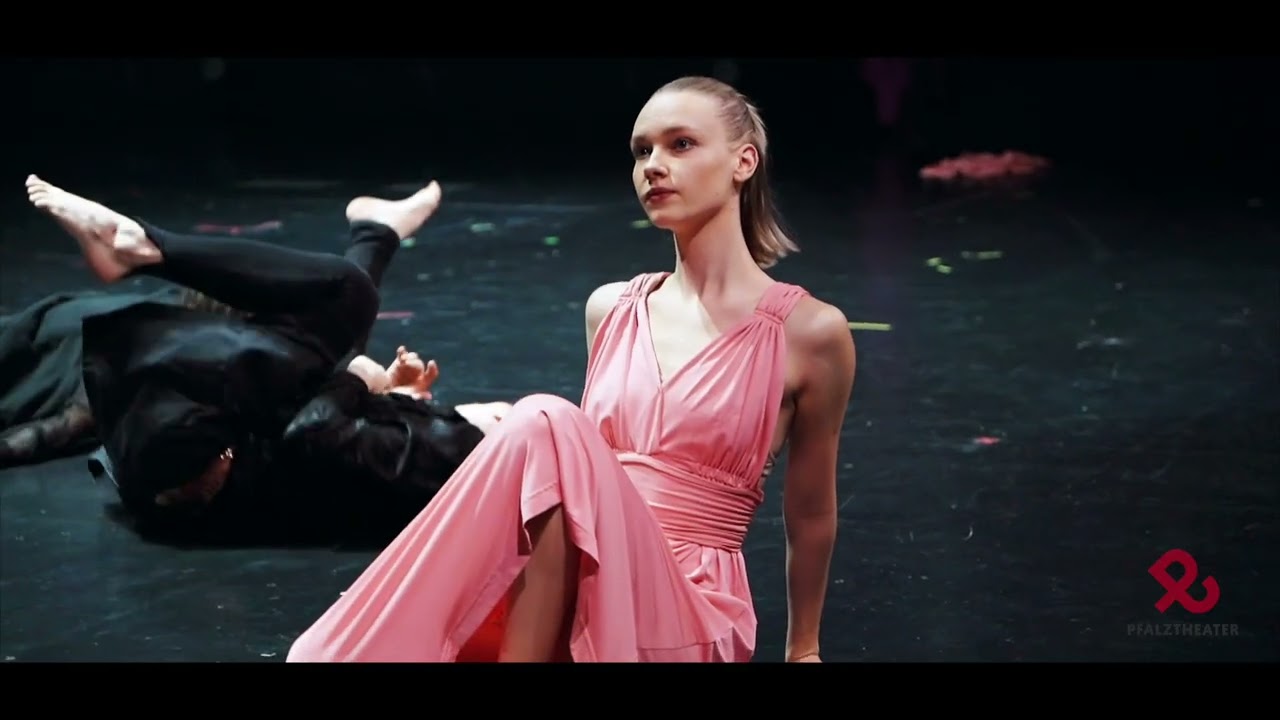
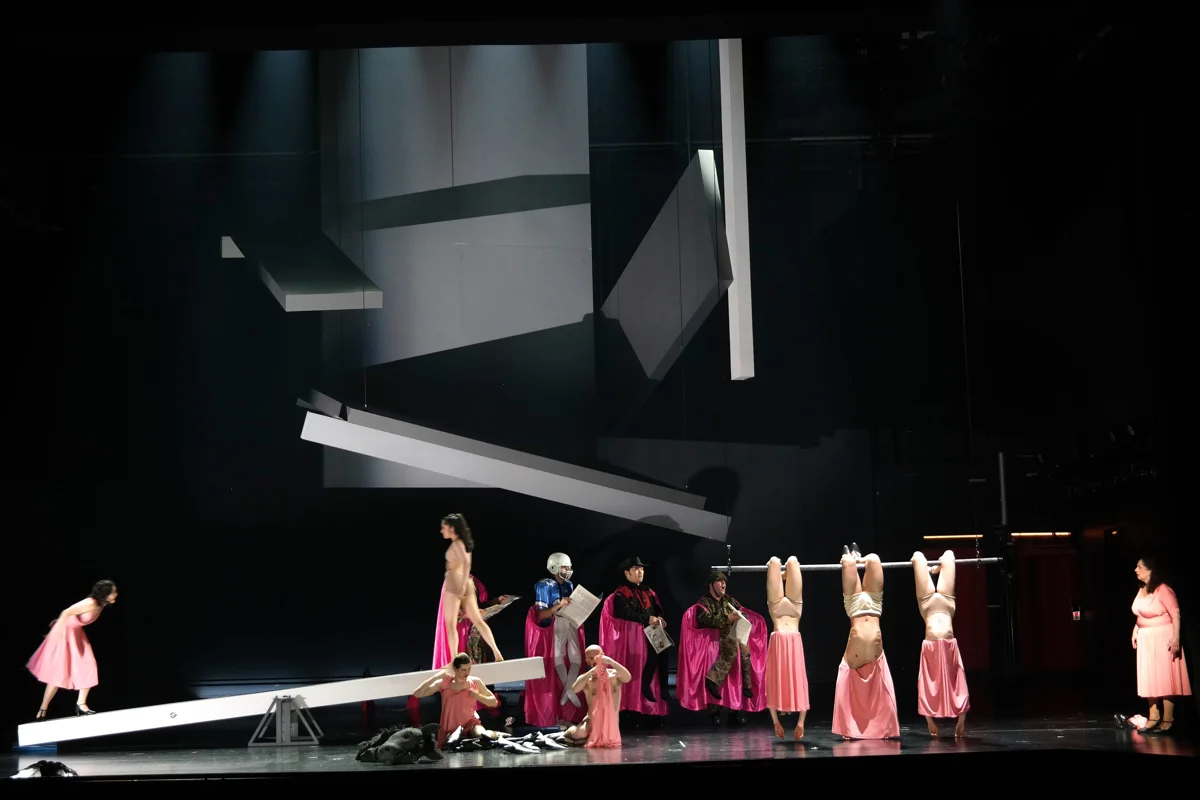
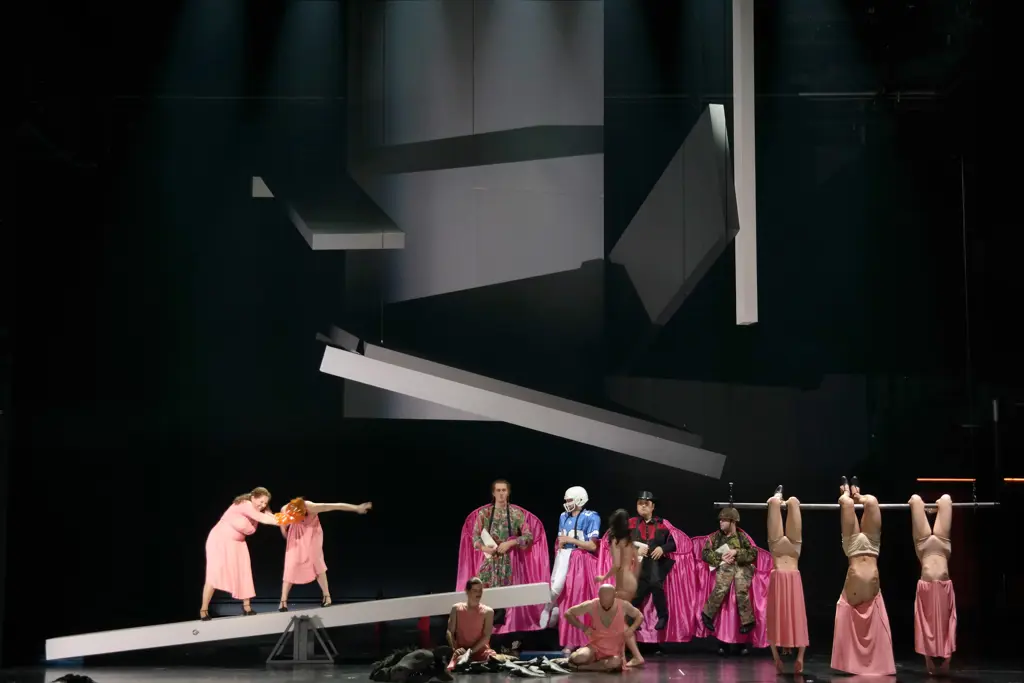
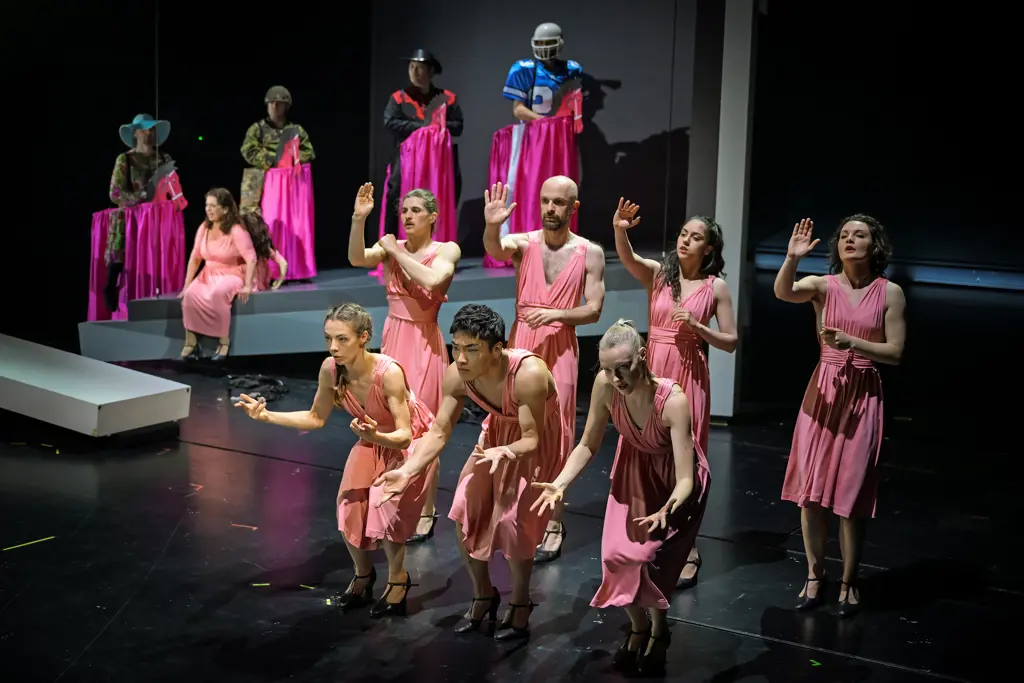
»Die sieben Todsünden« ist die letzte Zusammenarbeit von Kurt Weill mit Bertolt Brecht. In einer raffinierten Kombination von Gesang und Tanz wird der Weg zum Erfolg der Schwestern Anna I und Anna II durch die Städte erzählt, bei dem sie sich Stück für Stück verkaufen. Die Todsünden des Kapitalismus.
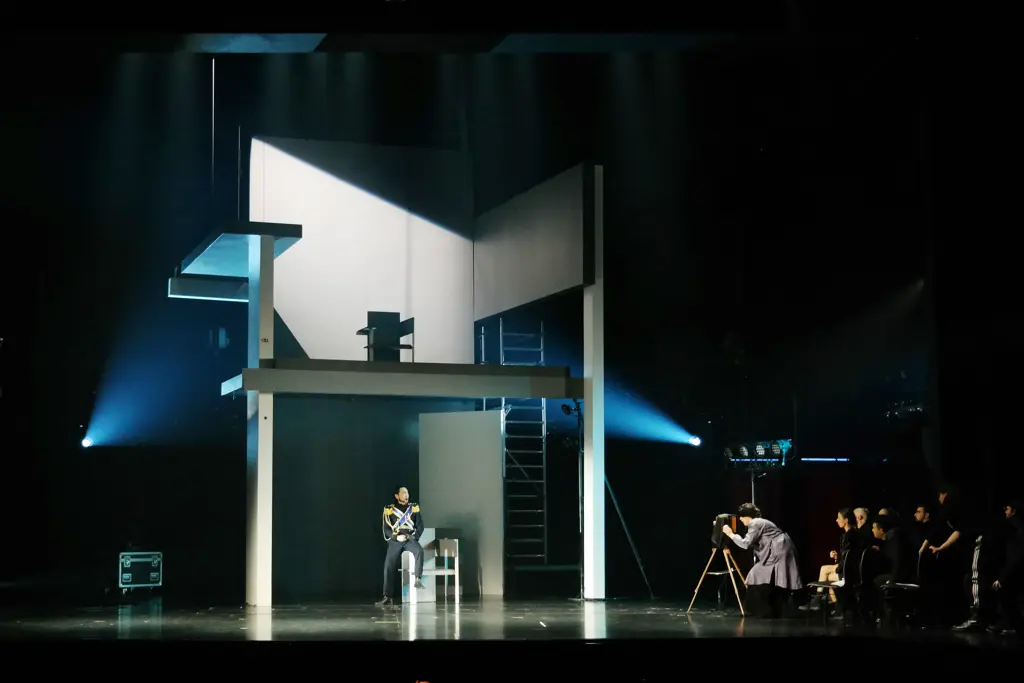
Der groteske Einakter »Der Zar lässt sich photographieren« auf einen Text von Georg Kaiser erzählt von einem Zaren, der sich in Paris im Photoatelier der schönen Angele photographieren lassen will. Attentäter tauschen die »echte« Angele gegen eine »falsche« Angele aus und im Photoapparat wird eine Waffe versteckt.„Beide Werke tragen auf ihre ganz eigene Weise eine unnachgiebige Radikalität in sich. Einmal im 'Zaren' durch eine ganz neue Rolle des Zuschauers, die die Frage stellt, welchen Ausgang des Stückes sich das Publikum wünscht in der Zeit des Umbruchs und in 'Die sieben Todsünden' durch die Rolle der Familie/Gesellschaft, die durch ihre Ansprüche an den einzelnen Menschen, diesem sein Menschsein versagt und ihn entfremdet, spaltet. Das was beide Stücke eint, ist der neue Zugang zum Publikum der Zeit, wenn auch auf vollkommen unterschiedliche Art und Weise."
For Kurt Weill's double anniversary: exciting music theatre of the 1920s/30s:
The Seven Deadly Sins / The Tsar Has His Photograph Taken
Ballet with singing / opera by KURT WEILL
Text by BERTOLT BRECHT / Opera buffa in one act by KURT WEILL, text by GEORG KAISER
Introductory matinee: Sun 27 April, 11:00 am
Premiere, Sunday 4 May 2025 at 7:30 pm
Reviews: Die Deutsche Bühne and Openwelt!
Kurt Weill is one of the most remarkable composers of the first half of the 20th century. His work stands like hardly any other for the period colour of the Weimar Republic and for a new conception of music theatre. 2025 marks both Weill's 125th birthday and the 75th anniversary of his death.
»The Seven Deadly Sins« is Kurt Weill's last collaboration with Bertolt Brecht. In a refined combination of singing and dance, the sisters Anna I and Anna II's path to success through the cities is told, in which they sell themselves piece by piece. The deadly sins of capitalism.
The grotesque one-act »The Tsar Has His Photograph Taken«, to a text by Georg Kaiser, tells of a tsar who wants to have his photograph taken in Paris at the photo studio of the beautiful Angèle. Assassins swap the »real« Angèle for a »false« Angèle and a weapon is hidden in the camera. "Both works carry an uncompromising radicalism within them, each in its own way. In the 'Tsar' through a completely new role for the spectator, which raises the question of what outcome of the piece the audience wishes for in a time of upheaval, and in 'The Seven Deadly Sins' through the role of the family/society which, through its demands on the individual, denies them their humanity, alienates and splits them. What unites both pieces is the new approach to the audience of the time, albeit in completely different ways."
Besetzung
Musikalische Leitung Olivier Pols
Regie & Choreografie: Martina Veh
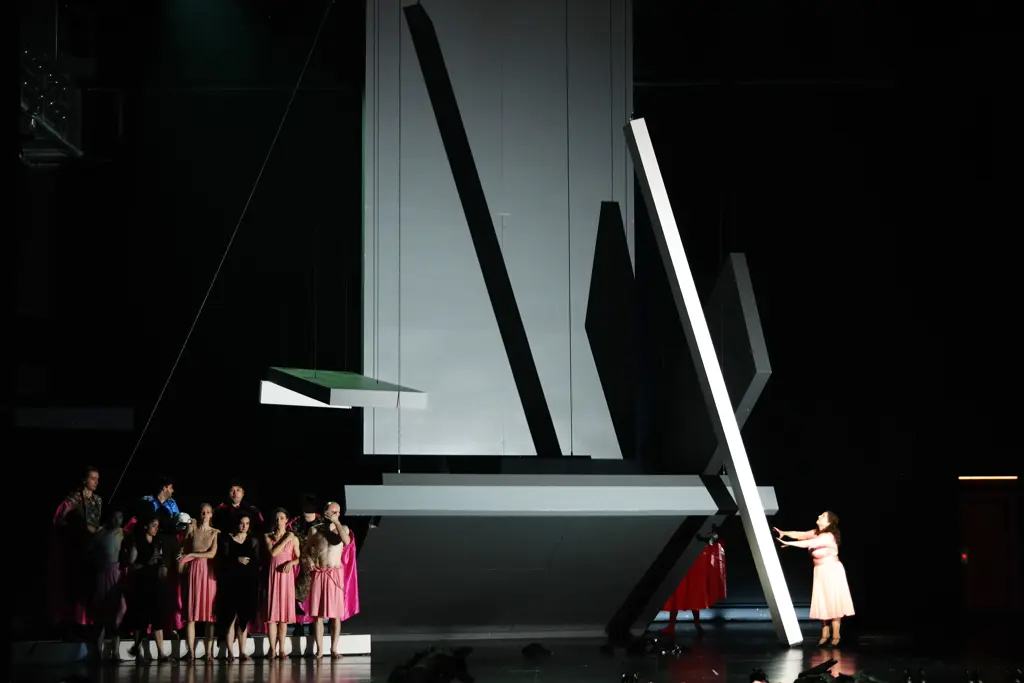
Bühne Thomas Dörfler
Kostüme Christl Wein
Licht Manfred Wilking
Chorleitung Aymeric Catalano
Dramaturgie Andreas Bronkalla
Pfalzphilharmonie Kaiserslautern | Chor des Pfalztheaters
Cast
Musical direction Olivier Pols
Direction & choreography: Martina Veh
Set Thomas Dörfler
Costumes Christl Wein
Lighting Manfred Wilking
Chorus director Aymeric Catalano
Dramaturgy Andreas Bronkalla
Pfalzphilharmonie Kaiserslautern | Chorus of the Pfalztheater
MEINE SICHTMY POINT OF VIEW
Interview with Martina Veh (director) 25.04.2025 by Andreas Bronkalla
Pfalztheater Kaiserslautern
With “The Tsar Has His Photograph Taken” and “The Seven Deadly Sins”, the double bill brings together two works by Kurt Weill that are also very different in style. How did you approach the two pieces? Where do you see what they share, and where what separates them?
Each of the two works, in its own way, carries an unrelenting radicalism within it. In “The Tsar”, it lies in a completely new role for the spectator, which raises the question of what outcome the audience wants for the piece in a time of upheaval. In “The Seven Deadly Sins”, it lies in the role of the family/society, which, through its demands on the individual, denies that person their humanity, alienates and splits them. Without mercy.
“The Tsar Has His Photograph Taken”, premiered in Leipzig in 1928, follows the concept of the “Zeitoper”, at that time an expressionist mix of fragments of new music (Schoenberg, etc.) and through-composed late Romanticism that addressed the themes of the day. It was the 20th century, with the madness of the new technology that made the First World War possible with all its horrors, but which also massively changed people’s everyday lives and thus represented a departure into a new age that was positive and at the same time uncanny.
This can be read particularly well in the visual arts. “The New Objectivity” shaped design, architecture and ways of living through plain, purpose-optimised forms adapted to modern man. Think, for example, of early movements such as the “Vienna Secession”, which designed everyday objects, furniture, chairs and so on that set themselves apart from the trinkets of the slightly megalomaniac 19th century, which was languishing with its rich colonial legacy and its aristocratic systems. People wanted to move towards the idea of a new human being.
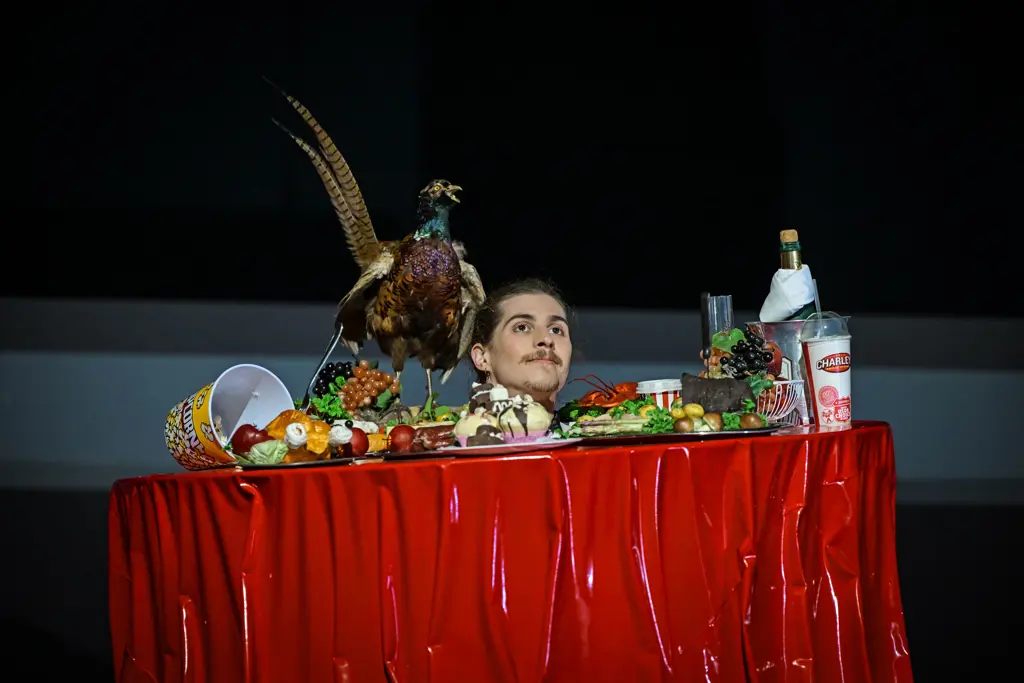
In the opera “The Tsar Has His Photograph Taken” we find some of the technical novelties: the telephone, the doorbell, the gramophone, which radically even switches off the orchestra and then replaces it. New in terms of content: the role of the audience. Weill wanted, as he himself says, to create a connection between audience and stage. That is why he invented a chorus that does not stand on the stage but comments from outside and, so to speak, interferes in the action – not always entirely consistently, in which one can also clearly sense Kurt Weill’s humour. Weill captures this mood of upheaval at the time of the Weimar Republic. Political assassinations and murders were topical and the order of the day.
Particularly exciting and inspiring is the development of the ideas of the “Zeitoper” with regard to the films of the German-Austrian Fritz Lang. His handling of light and his film art inspired me greatly. He was 10 years older than Kurt Weill. Later, in the 1930s, they both met in Hollywood as exiles. With the development from silent film to sound film, the form of music theatre also renewed itself at the same time, which, through German exiles such as Kurt Weill and their songs, among others, shaped the first Broadway operas.
And here we already are: the dark side of the innovations is dealt with by the second piece: “The Seven Deadly Sins”, premiered in exile in Paris in 1933, deals with the alienation of human beings from themselves through the demands that the family or society places on the individual. If one interprets the piece merely as a critique of capitalism, that is certainly accurate, but probably does not go far enough.
What unites the two pieces is the new approach to the audience of the time, albeit in completely different ways.
Kurt Weill gave his one-act opera “The Tsar ...” the generic designation “Opera buffa”. In doing so he links conceptually to the Italian tradition of comic opera in the 18th and 19th centuries, that is, to Mozart and Rossini. In terms of content, however, the plot, with its gramophone, telephone and photography, is clearly set in the 20th century. What does this conceptual anachronism tell us?
Like all of us who work with music theatre, Kurt Weill could not get past Mozart, Offenbach or, in this case, Lortzing and the Opera buffa. In my opinion, however, this is rather a grotesque of satirical proportions. He exaggerates the characters very strongly. It is some tsar of some empire, who is sick of ruling, whose murder would therefore no longer even be necessary, since he realises of his own accord that his ruling has become quite pointless. Ultimately, even this imaginary tsar is more interested in the art of photography and in ordinary human existence in the new world with its technical achievements, or even just in an erotic adventure. In his philosophical fits he abolishes himself. The false Angele, however, is first and foremost a conspirator with the intention of shooting the Tsar, which, basically, she perhaps would no longer even have to do. The situation turns around.
That is the difference from the Commedia dell’Arte, in which each role is assigned a quite unambiguous aspiration, so that, through the combination of the sequence of scenes, of how the characters with their clear intentions meet, comedy arises from the playing situation. Most consistent here is the figure of the real Angèle, who, as a reinvented career woman in the photo business, stops at nothing and deploys every charm in order to reach her goal of taking a picture of the Tsar so as to become famous. “15 Minutes of fame!” as the aim of her life.
Knowing the old buffa figures makes the playing even sharper and the characters themselves even more grotesque in that modern world. In our production there is the additional question: who wants to play the Tsar?
How funny is this opera? What thought might lie beneath it?
The comedy of the opera lies in a satirical critique of its time with an open ending. It takes aim at the established roles of power, but also at the people who now vote, at the violent strivings for upheaval just as much as at the career women of the new age, and straight away at the frenzy for technology too, so that it even abolishes itself – that is, replaces the real orchestra with the technology of the gramophone.
“Deadly sins” are actually moral categories in the Catholic catechism. Now, one does not really associate Bertolt Brecht with Catholic moral teaching. What do the seven deadly sins mean in this piece?
Brecht twists the seven deadly sins into the demand placed on the individual to achieve success through discipline and renunciation. “Do more, try harder, function.” The end justifies all means: sloth becomes self-mortification and restlessness, pride becomes the loss of human dignity, anger becomes the willingness to accept any humiliation, gluttony becomes anorexia, lust becomes the abandonment of true love for economic reasons, envy becomes the suppression of individuality. What success is, is determined outside the self by “the others”. We have rushed through the day, putting the needs of others above our own. The world has brought us up. We have learned to pull ourselves together. To suppress feelings. Just don’t be too emotional, too sensual, too much, too individual, too human.
In terms of cultural history, social morality in Europe is still strongly shaped by the influence of the Church. Brecht takes aim at this here in the form of the family as the nucleus of society, which demands sacrifices from the individual for the common good – or, mercilessly, in double standards, for its own advantage, for its own wealth, through manipulative power over the individual.
“The Seven Deadly Sins”, written six years after “The Tsar ...”, has a very distinctive form as a work of music theatre, a “ballet with singing”: that is, dance and song as means of expression – and split across the central figure of Anna, together with a commenting male quartet as “family”. How is the story told?
Seven chapters of suffering with an introductory prelude and a bitterly matter-of-fact epilogue about the senselessness of life if one were to satisfy all the rules of existence in today’s world. The skin would be sold before one had developed any human value within oneself. Is the freedom of life and of decisions merely an illusion?
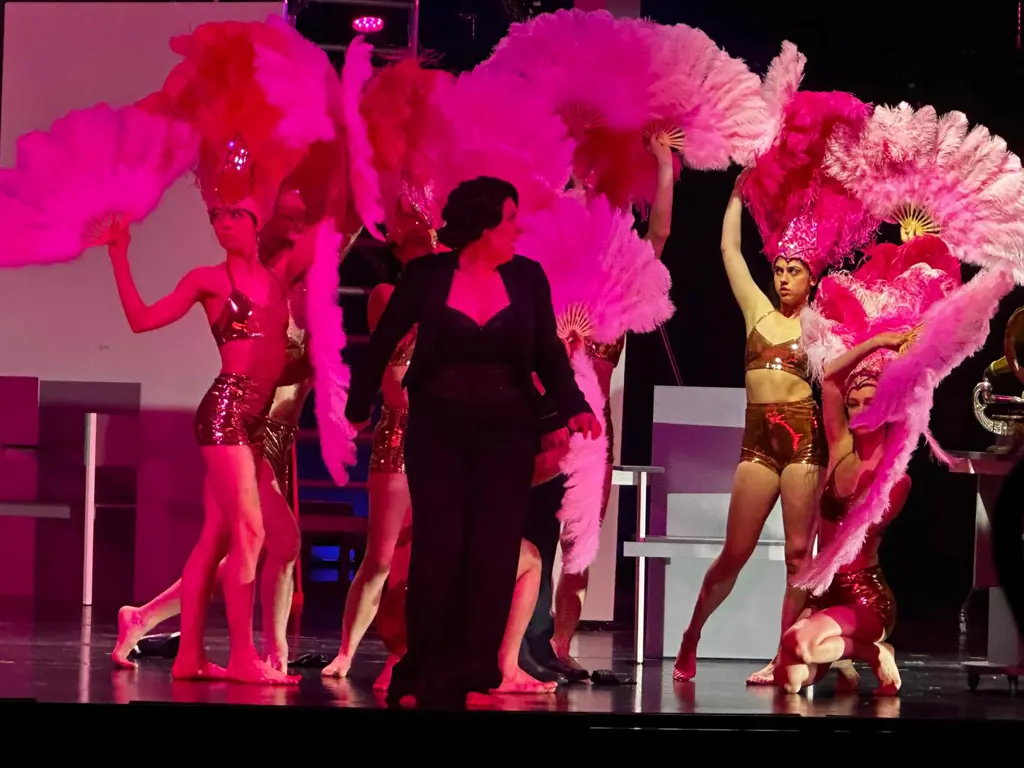
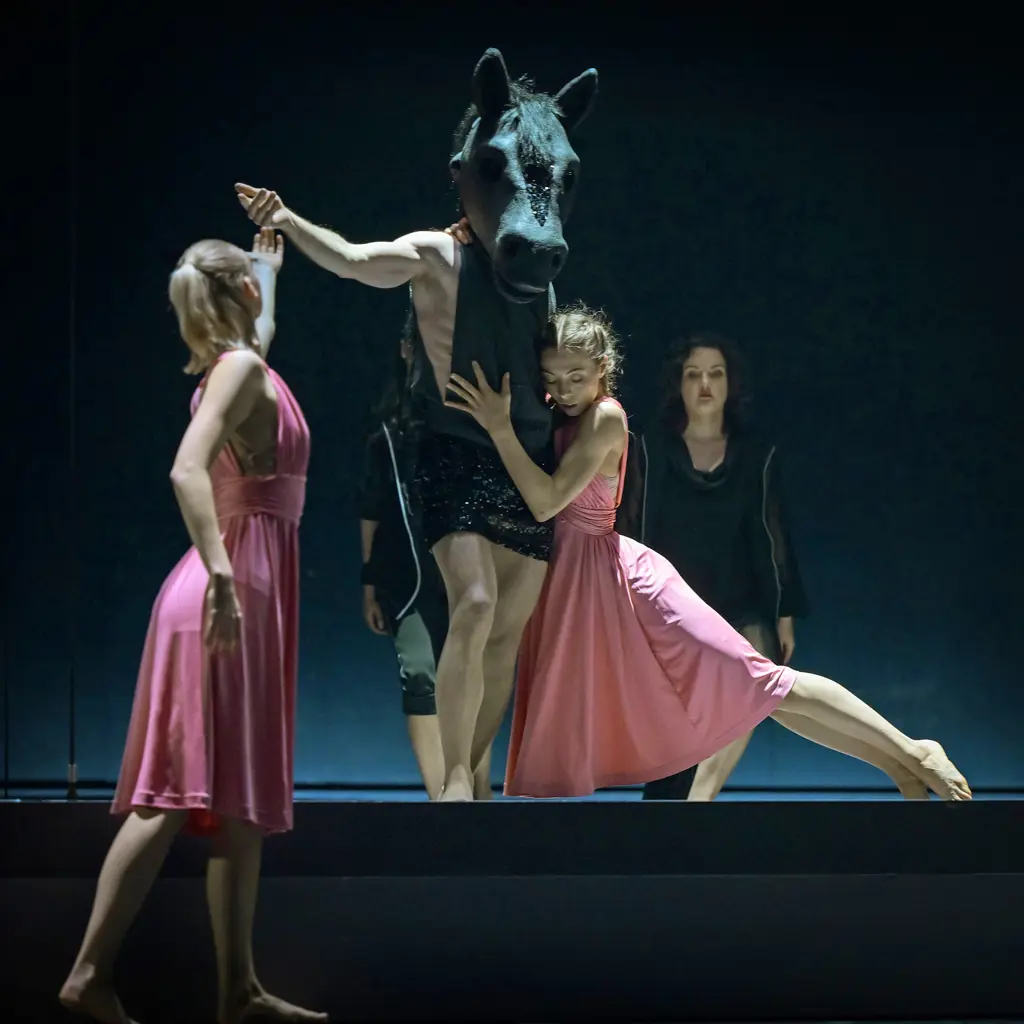
On her path through life, Anna is in 7 different cities of North America – 7 sins. With every sacrifice she makes to satisfy her family, she splits off a part of her self. Brecht and Weill invent here an already split figure, portrayed by a singing actress and a dancer. In my production the figure splits further and further with each station of life, so that the dance ensemble gradually becomes Anna and Anna, as a human being, increasingly loses herself. For me, dance is the wonderful possibility of getting close to the emotions, the breath, the toil, the torment or also the naive as well as destructive hope of the figure. Through dance we are free in shaping the invisible.
It was very important to you not to let the music theatre evening end with “The Seven Deadly Sins”, but with a Baroque chorale. Why?
Both works are so radical in their attitude towards human beings that there is no room here for mercy or hope. I cannot leave it like that, for all my love of the radicalism of theatrical storytelling.
I originally wished for a chorale by Bach; in the end we found the chorale “Nun ist alles überwunden” by Adam Drese from the Altbachisches Archiv, which captivates with its sublime simplicity. With it, the audience can go home with the offer of a “redemption”.
Interview mit Martina Veh (Regie) 25.04.2025 von Andreas Bronkalla
Pfalztheater Kaiserslautern
Der Doppelabend vereint mit »Der Zar lässt sich photographieren« und »Die sieben Todsünden« zwei auch stilistisch sehr unterschiedliche Werke von Kurt Weill. Wie hast du dich den beiden Stücken angenähert? Wo siehst du Verbindendes, wo Trennendes?
Beide Werke tragen auf ihre ganz eigene Weise eine unnachgiebige Radikalität in sich. Einmal im »Zaren« durch eine ganz neue Rolle des Zuschauers, die die Frage stellt, welchen Ausgang des Stückes sich das Publikum wünscht in der Zeit des Umbruchs. Dann in »Die sieben Todsünden« durch die Rolle der Familie/Gesellschaft, die durch ihre Ansprüche an den einzelnen Menschen, diesem sein Menschsein versagt und ihn entfremdet, spaltet. Ohne Pardon.
»Der Zar lässt sich photographieren«, 1928 noch in Leipzig uraufgeführt, folgt dem Konzept der »Zeitoper«, damals ein expressionistischer Mix aus Versatzstücken neuer Musik (Schönberg, etc.) und durchkomponierter Spätromantik, der auf die Themen der Zeit einging. Es war das 20. Jahrhundert mit dem Wahnsinn der neuen Technik, die den 1. Weltkrieg möglich machte mit allen Schrecken, die aber auch das Leben der Menschen im Alltag massiv veränderte und somit einen Aufbruch in eine neue positive, gleichzeitig auch unheimliche neue Zeit darstellte.
In der bildenden Kunst kann man das ja besonders gut ablesen. »Die Neue Sachlichkeit« prägte Design, Architektur und Lebensformen durch schlichte zweckoptimierte, dem modernen Menschen angepasste Formen. Man denke beispielsweise an die frühen Bewegungen wie die »Wiener Sezession«, die Alltagsgegenstände, Möbel und Stühle etc. designte, die sich von dem Tand des leicht größenwahnsinnigen 19. Jahrhunderts abgrenzten, das mit seinem reichen Kolonialerbe und den aristokratischen Systemen dahinsiechte. Man wollte hin zur Idee eines neuen Menschen.
In der Oper »Der Zar lässt sich photographieren« finden wir einige der technischen Neuheiten: Das Telefon, die Türklingel, das Grammophon, das radikal sogar das Orchester ausschaltet und dann ersetzt. Inhaltlich neu: Die Rolle des Publikums. Weill wollte, wie er selbst sagt, eine Verbindung schaffen zwischen Publikum und Bühne. Daher hat er einen Chor erfunden, der nicht auf der Bühne steht, sondern von außen kommentiert und sich sozusagen in das Geschehen einmischt – nicht immer ganz konsequent, worin man auch den Humor von Kurt Weill gut spüren kann. Weill fängt diese Stimmung des Umbruchs ein zur Zeit der Weimarer Republik. Politische Attentate und Morde waren aktuell und an der Tagesordnung.
Besonders spannend und inspirierend ist die Entwicklung der Ideen der »Zeitoper« in Hinblick auf die Filme des deutsch-Österreichers Fritz Lang. Dessen Lichtführung und Filmkunst haben mich sehr inspiriert. Er war 10 Jahre älter als Kurt Weill. Sie begegneten sich dann beide später als Exilanten in den 30er Jahren in Hollywood. Mit der Entwicklung vom Stummfilm zum Tonfilm hat sich zeitgleich auch die Musiktheaterform erneuert, die u.a. auch durch deutsche Exilanten wie Kurt Weill mit ihren Songs die ersten Broadwayopern prägte.
Und hier wären wir dann schon: Die Schattenseite der Neuerungen behandelt das zweite Stück: „Die sieben Todsünden“, 1933 in Paris im Exil uraufgeführt, behandelt die Entfremdung des Menschen von sich selbst durch die Ansprüche der Familie bzw. der Gesellschaft an den Einzelnen. Wenn man das Stück nur als Kritik des Kapitalismus interpretiert, so ist das sicher zutreffend, aber greift vermutlich nicht weit genug.
Das was beide Stücke eint, ist der neue Zugang zum Publikum der Zeit, wenn auch auf vollkommen unterschiedliche Art und Weise.
Kurt Weill hat seinem Operneinakter »Der Zar ...« die Gattungsbezeichnung »Opera buffa« gegeben. Damit knüpft er gedanklich an die italienische Tradition der komischen Oper im 18. und 19. Jahrhundert, also bei Mozart und Rossini, an. Inhaltlich ist die Handlung mit Grammaphon, Telefon und Fotografie aber eindeutig im 20. Jahrhundert angesiedelt. Was erzählt dieser gedankliche Anachronismus?
Wie wir alle, die wir uns mit Musiktheater beschäftigen, kam auch Kurt Weill nicht an Mozart, Offenbach oder in diesem Fall auch an Lortzing und der Opera buffa vorbei. Meiner Meinung nach handelt es sich allerdings hier eher um eine Groteske von satirischem Ausmaß. Er überzeichnet die Figuren sehr stark. Es ist irgendein Zar irgendeines Reiches, der es satt hat zu regieren, dessen Mord also gar nicht mehr nötig wäre, da er von selbst einsieht, dass sein Regieren recht sinnlos geworden ist. Letztlich interessiert sich auch dieser imaginäre Zar mehr für die Kunst der Fotografie und das normale menschliche Dasein in der neuen Welt mit den technischen Errungenschaften oder auch nur für ein erotisches Abenteuer. Er schafft sich in seinen philosophischen Anwandlungen selbst schon ab. Die falsche Angele allerdings ist in erster Linie Verschwörerin mit der Intention, den Zaren zu erschießen, was sie im Grunde vielleicht gar nicht mehr müsste. Die Situation dreht sich.
Das ist der Unterschied zur Commedia dell‘Arte, in der jeder Rolle ein ganz eindeutiges Streben zugeordnet wird, so dass sich durch die Kombination der Szenenfolge, wie die Figuren mit ihrer klaren Intention aufeinandertreffen, eine Komik durch die Spielsituation ergibt. Am konsequentesten ist hier noch die Figur der echten Angèle, die als sich neu erfundene Karrierefrau im Fotobusiness über Leichen geht und alle Reize einsetzt, um zu ihrem Ziel zu gelangen, vom Zaren ein Bild zu machen, um berühmt zu werden. »15 Minutes of fame!« als Ziel ihres Lebens.
Das Wissen um die alten Buffa-Figuren macht das Spiel noch schärfer und die Figuren in sich noch grotesker in jener modernen Welt. Bei uns kommt noch die Frage hinzu: Wer will den Zaren spielen?
Wie komisch ist diese Oper? Welcher Gedanke liegt eventuell darunter?
Die Komik der Oper liegt in einer satirehaften Zeitkritik mit offenem Ausgang. Sie nimmt die etablierten Rollen der Macht, aber auch das nun wählende Volk aufs Korn, die gewaltbereiten Bestrebungen nach einem Umbruch ebenso wie die Karrieristinnen der neuen Zeit und auch gleich noch den Technikrausch, so dass sie sich sogar gleich selber abschafft – also das reale Orchester durch die Technik des Grammophons ersetzt.
»Todsünden« sind ja eigentlich moralische Kategorien im katholischen Katechismus. Nun bringt man Bertolt Brecht gedanklich eigentlich nicht mit der katholischen Morallehre in Verbindung. Was bedeuten die sieben Todsünden in diesem Stück?
Die sieben Todsünden werden von Brecht verdreht hinein zum Anspruch an den Einzelnen, Erfolg durch Disziplin und Verzicht zu erreichen. »Mach mehr, streng dich an, funktioniere.« Der Zweck heiligt alle Mittel: Die Faulheit wird zur Selbstkasteiung und Rastlosigkeit, der Stolz zum Verlust der Menschenwürde, der Zorn zur Bereitschaft jeder Demütigung, die Völlerei zur Magersucht, die Unzucht zur Aufgabe wahrhaftiger Liebe aus wirtschaftlichen Gründen, der Neid zur Unterdrückung von Individualität. Was Erfolg ist, wird außerhalb des Selbst bestimmt von »den anderen«. Wir haben uns durch den Tag gehetzt, die Bedürfnisse anderer über unsere eigenen gestellt. Die Welt hat uns erzogen. Wir haben gelernt, uns zusammenzureißen. Gefühle zu unterdrücken. Bloß nicht zu emotional, zu sinnlich, zu viel, zu individuell, zu sehr Mensch zu sein.
Kulturhistorisch ist die Gesellschaftsmoral in Europa immenoch stark von dem Einfluss der Kirche geprägt. Das hat Brecht hier aufs Korn genommen in Form der Familie als Nucleus der Gesellschaft, die vom Individuum Opfer verlangt für das Gemeinwesen – oder eben gnadenlos in der Doppelmoral - zum eigenen Vorteil, zum eigenen Reichtum durch die manipulative Macht über den Einzelnen.
»Die sieben Todsünden«, sechs Jahre später als »Der Zar ...« entstanden, haben als Musiktheaterwerk eine sehr eigene Form, ein »Ballett mit Gesang«: also Tanz und Gesang als Ausdrucksmittel – und das aufgespalten in der zentralen Figur der Anna, dazu ein kommentierendes Männerquartett als »Familie«. Wie erzählt sich die Geschichte?
Sieben Kapitel des Leids mit einführendem Vorspiel und böse konstatiertem Epilog über die Sinnlosigkeit des Lebens, wenn man allen Regeln des Daseins in der heutigen Zeit genügen würde. Die Haut wäre verkauft, noch bevor man irgendeinen menschlichen Wert in sich selbst entwickelt. Ist die Freiheit des Lebens und der Entscheidungen nur eine Illusion?
Anna ist auf ihrem Lebensweg in 7 verschiedenen Städten Nordamerikas – 7 Sünden. Pro Opfer, das sie macht, um ihre Familie zufriedenzustellen, spaltet sie einen Teil ihres Selbst ab. Brecht und Weill erfinden hier eine schon gespaltene Figur, dargestellt durch eine singende Schauspielerin und eine Tänzerin. In meiner Inszenierung spaltet sich die Figur pro Lebensstation immer weiter auf, so dass das Tanzensemble nach und nach zu Anna wird und sich Anna als Mensch immer mehr abhanden kommt. Der Tanz ist für mich die wunderbare Möglichkeit dicht an den Emotionen, dem Atem, der Mühlsal, der Qual oder auch der naiven wie zerstörerischen Hoffnung der Figur nahe zu kommen. Durch Tanz sind wir frei in der Gestaltung des Unsichtbaren.
Dir war sehr wichtig, den Musiktheaterabend nicht mit »Die sieben Todsünden« enden zu lassen, sondern mit einem barocken Choral. Warum?
Beide Werke sind so radikal in ihrer Haltung dem Menschen gegenüber, dass hier kein Platz ist für Erbarmen oder Hoffnung. So kann ich das nicht stehenlassen bei aller Liebe zur Radikalität der theatralen Erzählungen.
Ich wünschte mir ursprünglich einen Choral von Bach, gefunden haben wir schließlich den Choral »Nun ist alles überwunden« von Adam Drese aus dem altbachischen Archiv, der durch seine erhabene Schlichtheit besticht. Damit kann das Publikum mit dem Angebot einer »Erlösung« nach Hause gehen.
GALERIEGALLERY
VideoVideo