ABOUT
THEATRE.
FATE OF THE MOMENT. MEANING AND LIFE.
THAT'S WHAT DRIVES
ME.
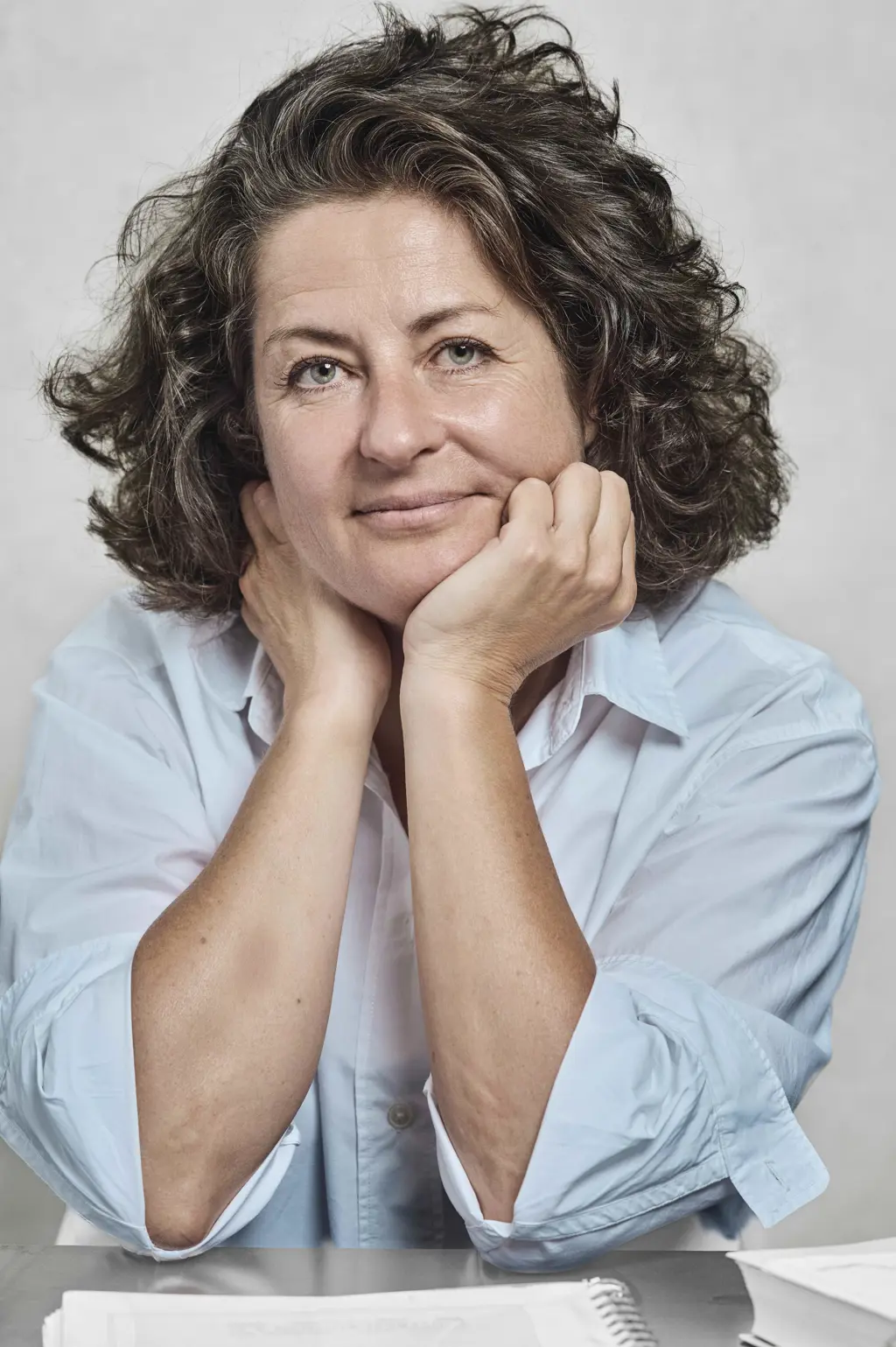
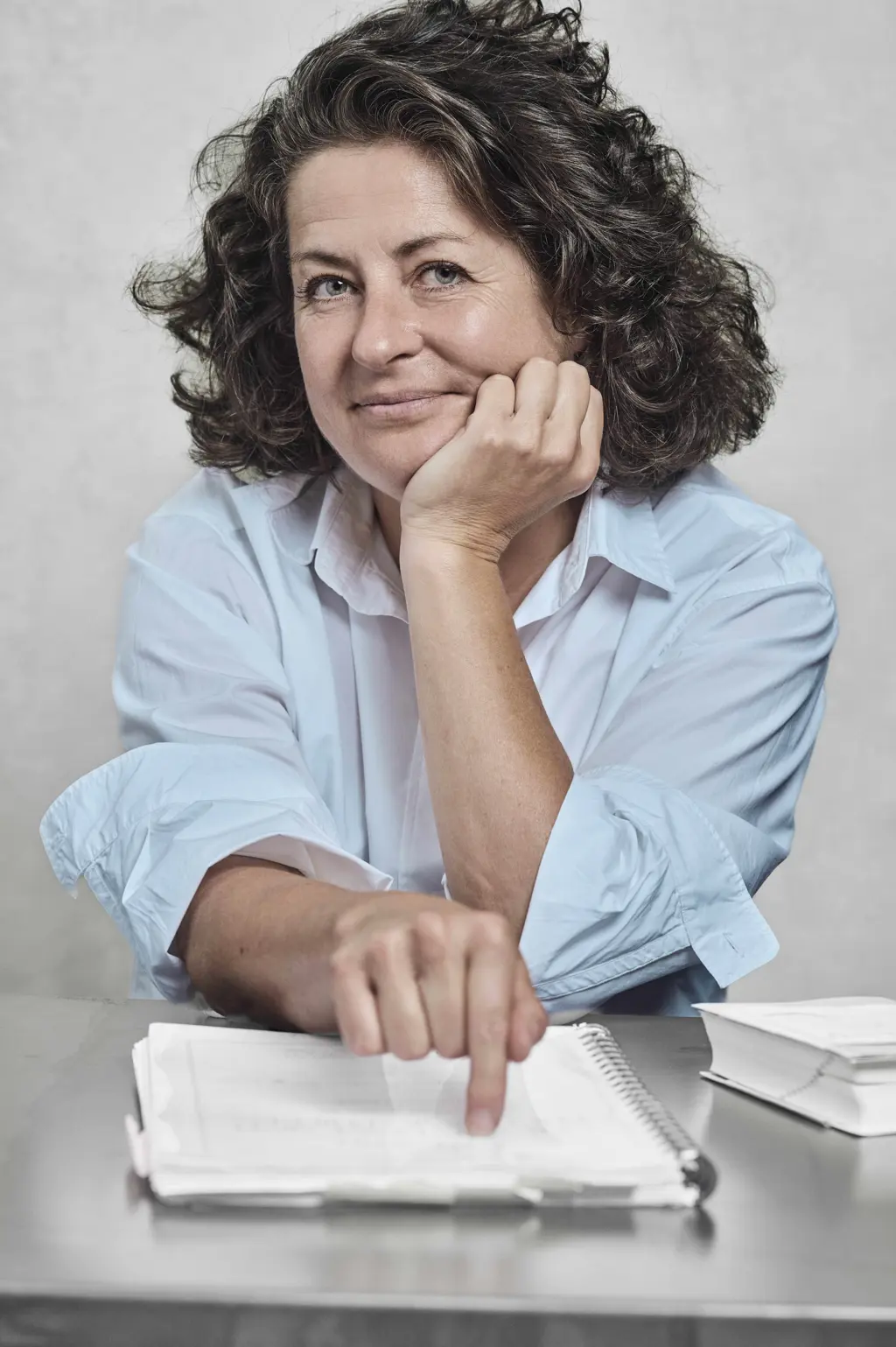
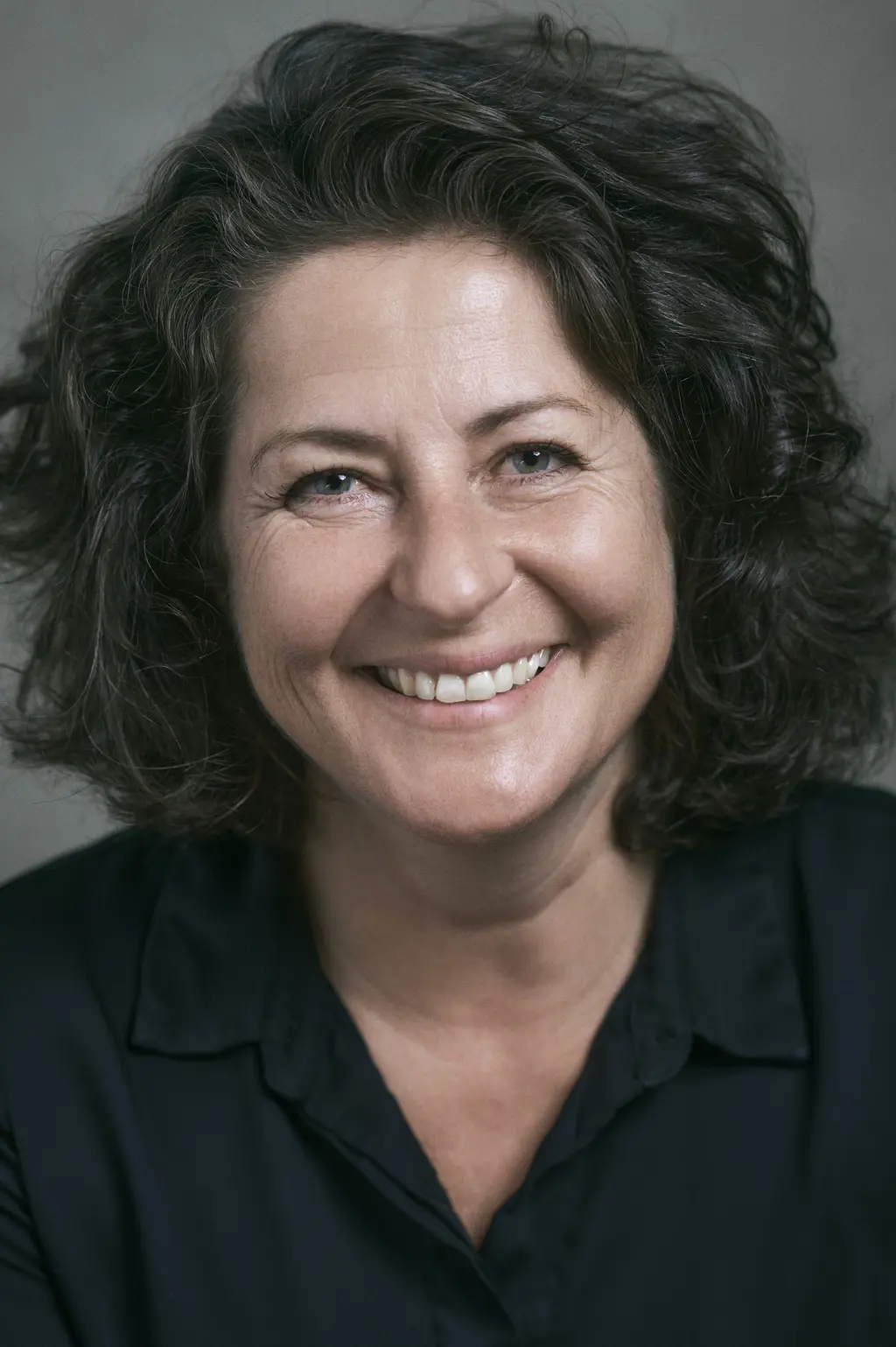
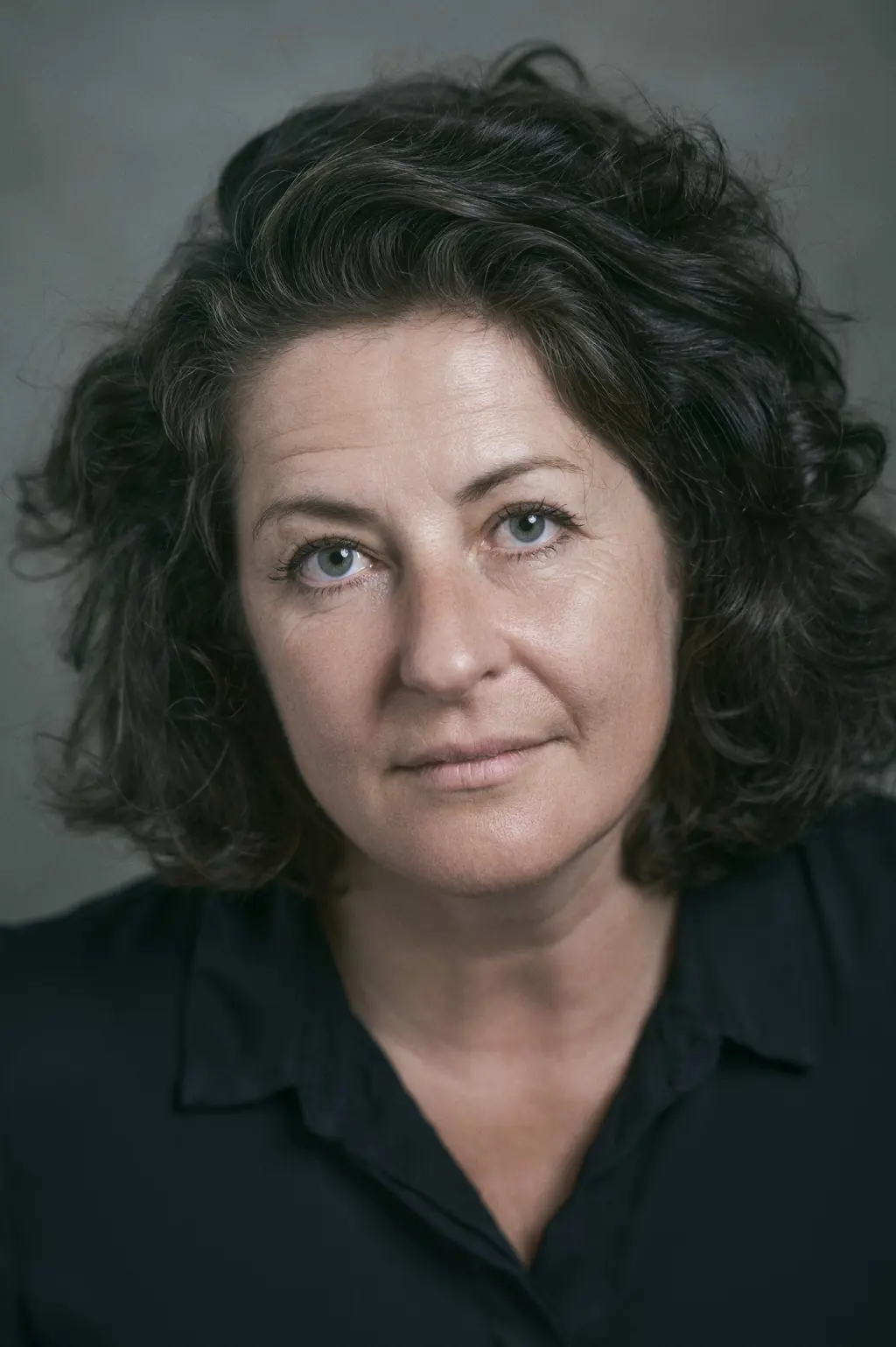
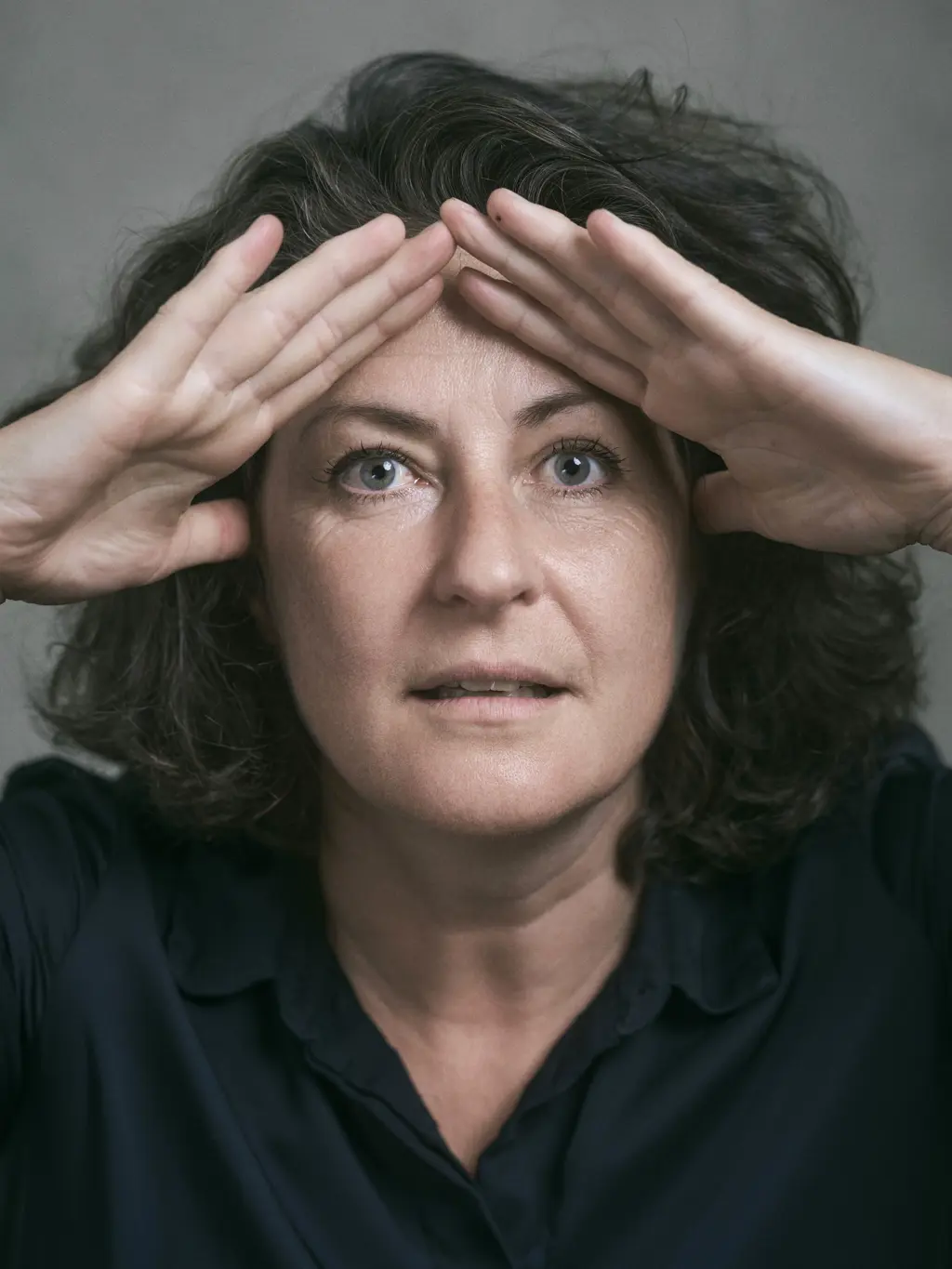
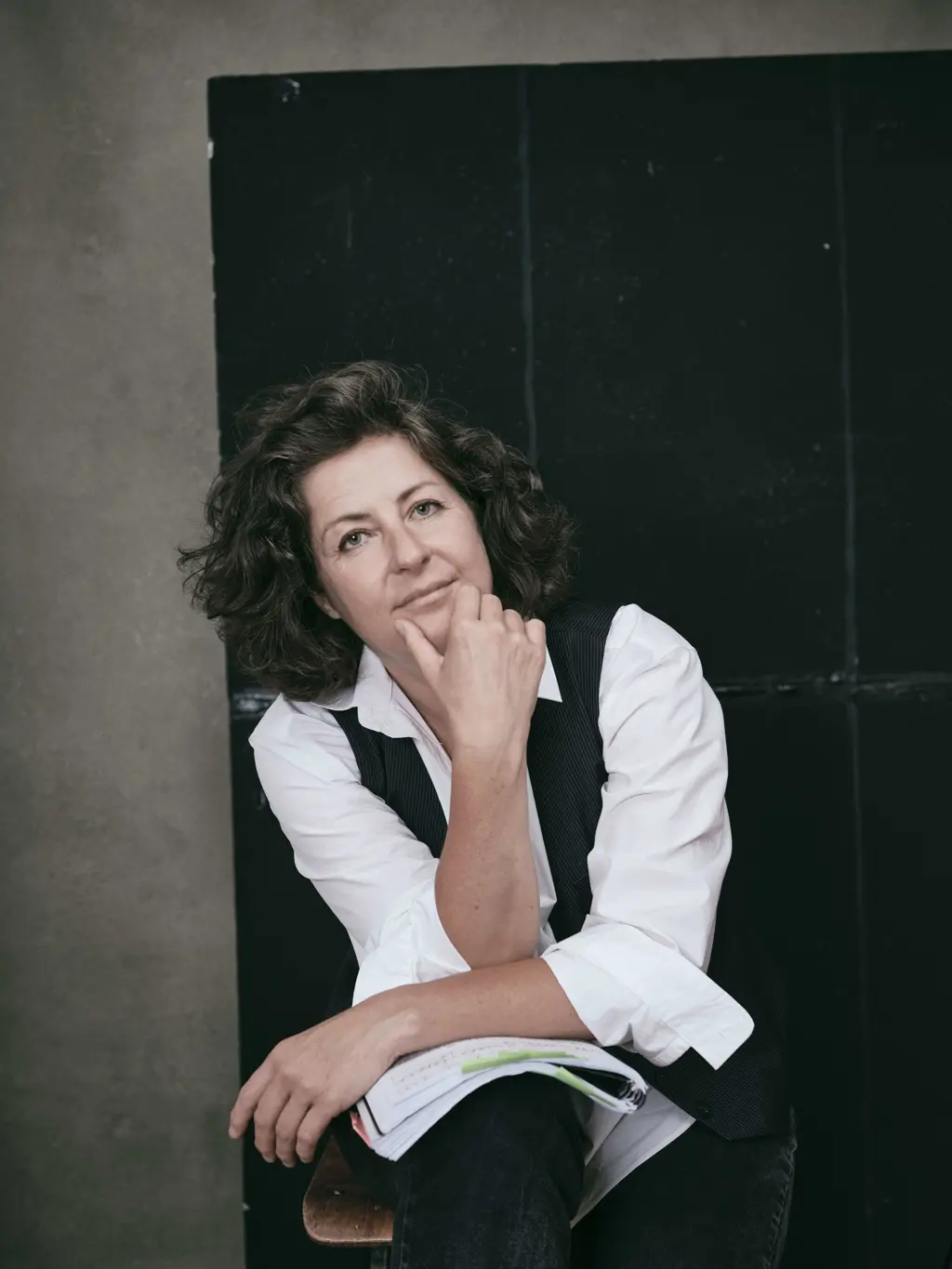
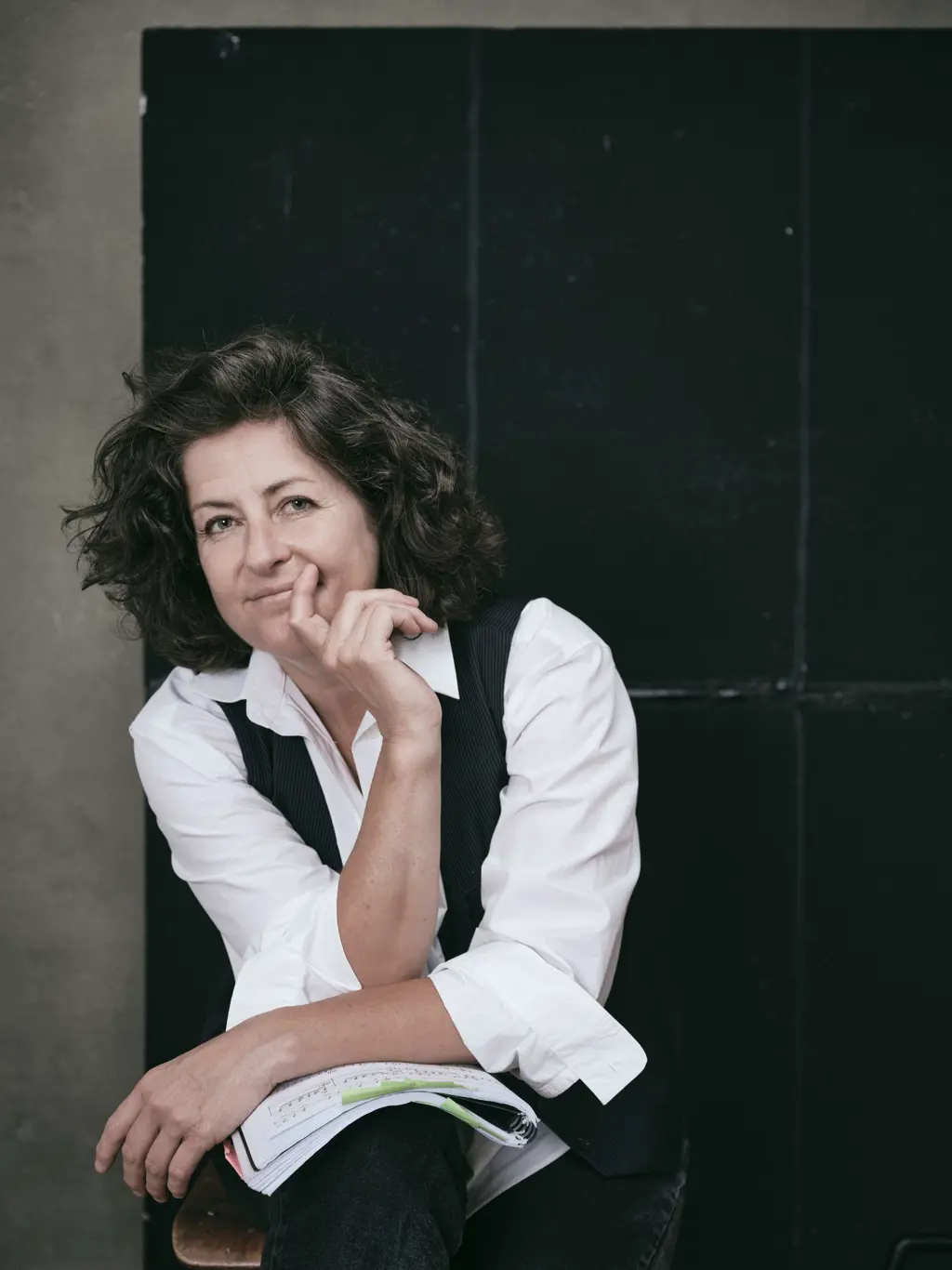
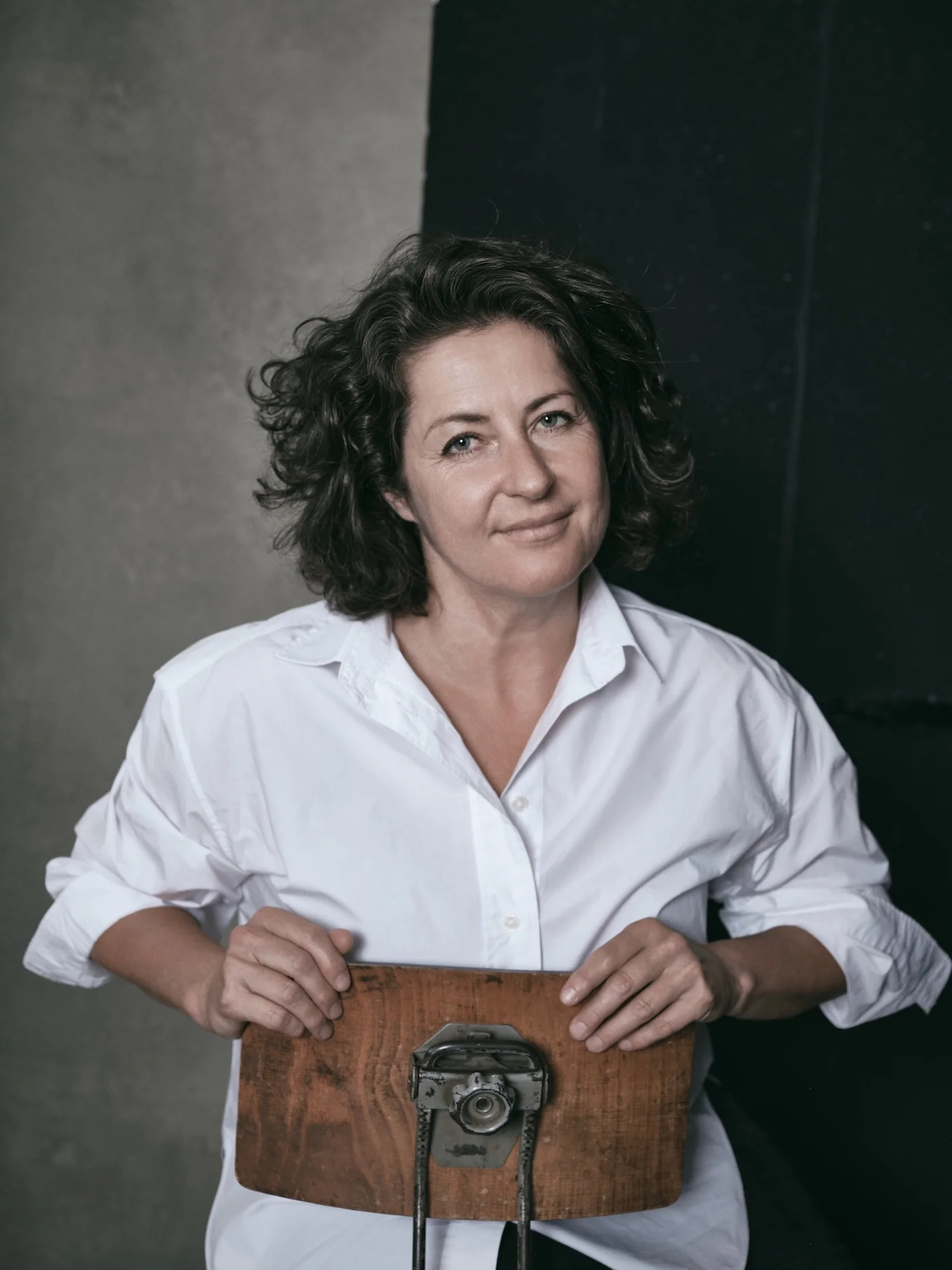
Martina Veh works both in Germany and abroad as a director of musical and spoken theatre, and in recent years has primarily premiered and developed new music theatre pieces. She feels at home in the borderlands between the visual and performing arts. She has directed over 90 projects at both municipal and state theatres as well as in the ‘independent scene’. Martina Veh received musical training from an early age, including with Prof. Werner Grewe, a pupil of Arthur Schnabel (piano). She has many years of dance training to her credit. In 1999, she completed her studies at the Bavarian Theatre Academy August Everding under Prof. Cornel Franz and masters such as Harry Kupfer, Jürgen Flimm, David Pountney, Bruce Myers (Peter Brook) and Roy Foudree (Wooster Group New York), having already obtained her diploma in architecture in 1995 from the Technical University of Munich under Prof. Friedrich Kurrent from Vienna (sacred architecture). She has won several press awards and her own projects have been supported by the Ernst von Siemens Music Foundation in cooperation with BR-Klassik, the German Fund for the Performing Arts, the Cultural Fund of the City of Munich, Casa Mann e.V., the Department of Culture of the District of Upper Bavaria and the City of Munich, Aktion Mensch, the Department of Labour and Economic Affairs, the City of Munich’s Sponsorship Award for Young Artists/New Media in the field of music (jointly with the composer Alexander Strauch), Bayerische Landesbank, the Cultural Fund of the Stadtsparkasse München, the Cultural Prize of the City of Wolfratshausen, the Onassis Foundation, the Ingrid Werndl-Laue Foundation, the Christoph and Stephan Kaske Foundation and others. Martina Veh works both in Germany and abroad as a director of musical and spoken theatre and, in recent years, has primarily premiered and developed new music theatre pieces. She feels at home in the borderlands between the visual and performing arts. She has directed over 80 projects at both municipal and state theatres as well as in the ‘independent scene’. Martina Veh received musical training from an early age, including with Prof. Werner Grewe, a pupil of Arthur Schnabel (piano). She has many years of dance training to her credit. In 1999, she completed her studies at the Bavarian Theatre Academy August Everding under Prof. Cornel Franz and masters such as Harry Kupfer, Jürgen Flimm, David Pountney, Bruce Myers (Peter Brook) and Roy Foudree (Wooster Group New York), having already obtained her diploma in architecture in 1995 at the Technical University of Munich under Prof. Friedrich Kurrent from Vienna (sacred architecture). She has won several press awards and her own projects have been supported by the Ernst von Siemens Music Foundation in cooperation with BR-Klassik, the German Fund for the Performing Arts, the Cultural Fund of the City of Munich, Casa Mann e.V., the Department of Culture of the District of Upper Bavaria and the City of Munich, Aktion Mensch, the Department of Labour and Economic Affairs, the City of Munich’s Sponsorship Award for Young Artists/New Media in the field of music (together with the composer Alexander Strauch), the Bayerische Landesbank, the Cultural Fund of the Stadtsparkasse München, the Cultural Prize of the City of Wolfratshausen, the Onassis Foundation, the Ingrid Werndl-Laue Foundation, the Christoph and Stephan Kaske Foundation and others.
Martina Veh ist im In- und Ausland als Regisseurin für Musik- und Sprechtheater tätig und hat in den letzten Jahren vor allem neue Musiktheaterstücke uraufgeführt und entwickelt. In den Grenzbereichen der bildenden und darstellenden Künste fühlt sie sich zu Hause. Über 90 Projekte hat sie sowohl an Städtischen/Staatlichen Theatern als auch in der „Freien Szene“ inszeniert.Martina Veh absolvierte seit frühester Kindheit eine musikalische Ausbildung u.a. bei Prof. Werner Grewe, Schüler von Arthur Schnabel (Klavier). Sie hat eine langjährige Tanzausbildung vorzuweisen.1999 schloss sie ihr Studium an der Bayerischen Theaterakademie August Everding bei Prof. Cornel Franz und Meistern wie Harry Kupfer, Jürgen Flimm, David Pountney, Bruce Myers (Peter Brook) und Roy Foudree (Wooster Group New York) ab, nachdem sie bereits 1995 ihr Diplom in Architektur an der Technischen Universität München bei Prof. Friedrich Kurrent aus Wien (Sakralarchitektur) erworben hatte. Sie gewann mehrere Pressepreise und ihre eigenen Projekte wurden gefördert von der Ernst von Siemens Musikstiftung in Kooperation mit BR-Klassik, dem Deutschen Fonds für Darstellende Kunst, dem Kulturfonds der Landeshauptstadt München, Casa Mann e.V., Kulturreferat des Bezirks Oberbayern und der Landeshauptstadt München, Aktion Mensch, Referat für Arbeit und Wirtschaft, Förderpreis der Landeshauptstadt München für junge Künstler/Neue Medien im Bereich Musik (gemeinsam mit dem Komponisten Alexander Strauch), Kulturfonds Bayern des Freistaats Bayern, Staatsministerium für Wissenschaft und Kunst Markus Blume, Bayerische Landesbank, Richard Stury-Stiftung, Kulturfonds der Stadtsparkasse München, Kulturpreis der Stadt Wolfratshausen, Onassis Foundation, Ingrid Werndl-Laue Stiftung, Christoph und Stephan Kaske Stiftung, Richard Stury-Stiftung, und andere.
Musik und ihre Bilder bringt uns dem Kern der Wirklichkeit näher als alles andere. Das Theater führt uns zusammen, um die Seele der Gesellschaft zu berühren.
Martina Veh 2024
WORK
- Sächsische Staatsoper Dresden
- Queen Elisabeth Hall London
- Edinburgh Fringe Festival
- das junge Ensemble der Bayerischen Staatsoper
- Theater Erfurt
- Theater Winterthur
- Cuvillier Theater München
- Mainfrankentheater Würzburg
- Théâtre National de Luxembourg
- Theater Lübeck
- Pfalztheater Kaiserslautern
- Sächsische Staatsoper Dresden
- Queen Elisabeth Hall London
- Edinburgh Fringe Festival
- das junge Ensemble der Bayerischen Staatsoper
- Theater Erfurt
- Theater Winterthur
- Cuvillier Theater München
- Mainfrankentheater Würzburg
- Théâtre National de Luxembourg
- Theater Lübeck
- Pfalztheater Kaiserslautern

„Humor ist die eleganteste Form von Wahrheit. Deshalb lachen wir oft einen Augenblick zu früh – und denken einen Augenblick zu spät.“
GALLERY